EA Games AI Research Collaboration with SCADpro
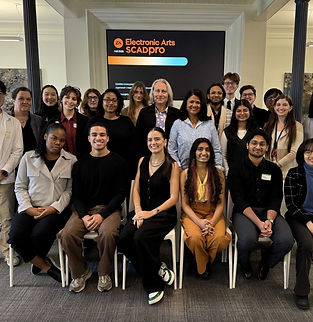
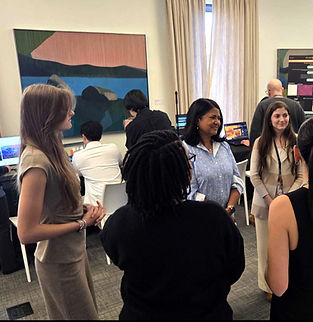
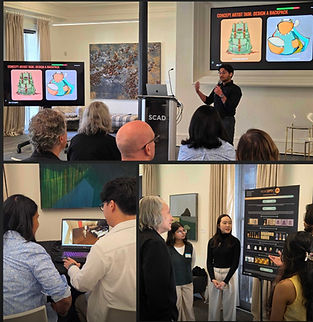
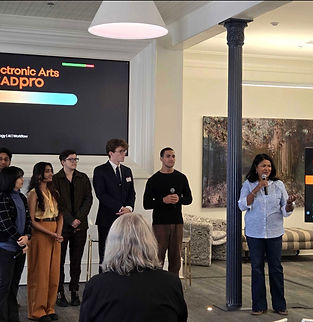
Task: Our team was tasked with researching how one artistic style can be reflected continuously throughout varying concepts using AI to cut down on manual implementation.
.jpeg)
_edited_edited.jpg)
.jpeg)
.jpeg)
My Contribution
Initial Experimentation with Meshy.ai

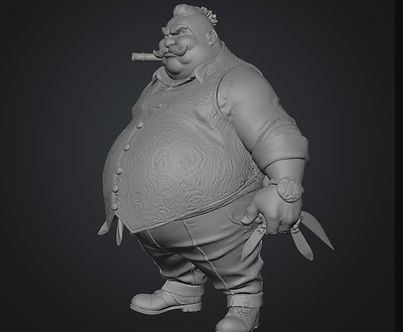.jpeg)
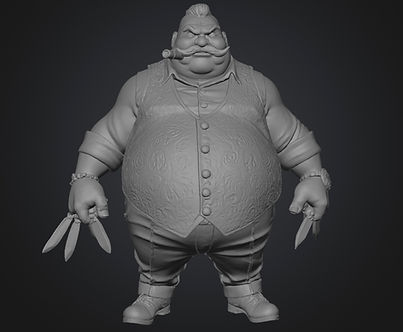.jpeg)
Next Steps

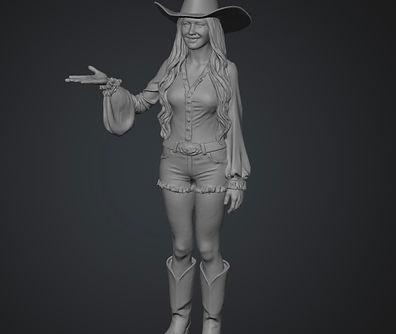
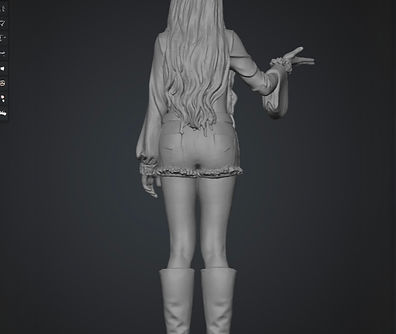_edited.jpg)
Reflections
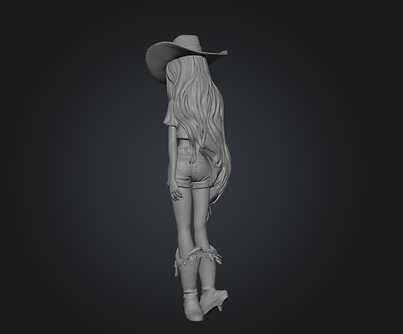
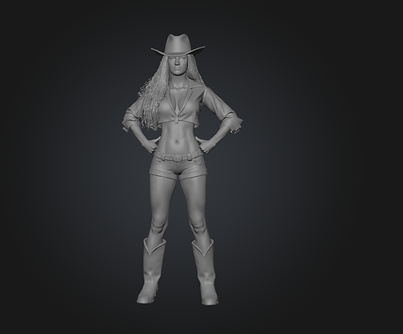
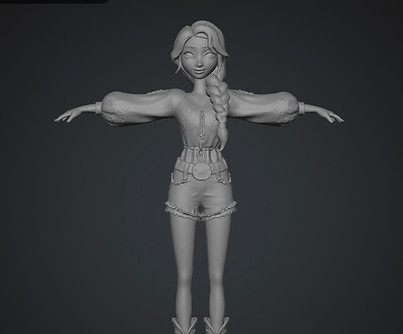
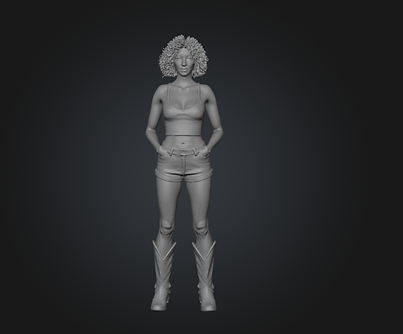
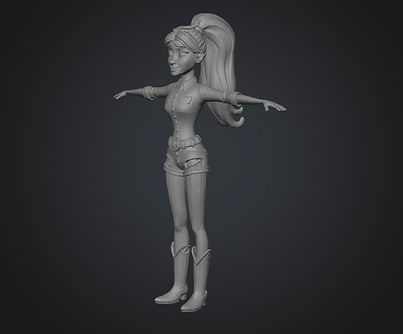
Based on this generation, I realized that the program generated a posed model making it virtually unusable. I was able to note the need to mention A/T posing in the future. Secondly, when describing the physical features of the character, I realized what the AI actually followed through on and what it didn't. More subjective descriptions like "big eyes" and "loose fitting top" were ultimately interpreted differently than I had imagined.
Notes for the future: be more intentional with descriptions
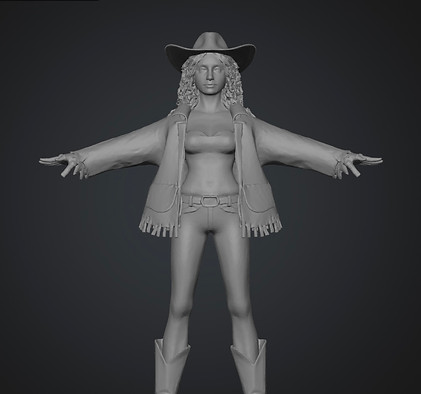
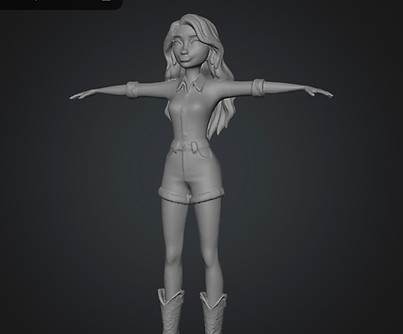
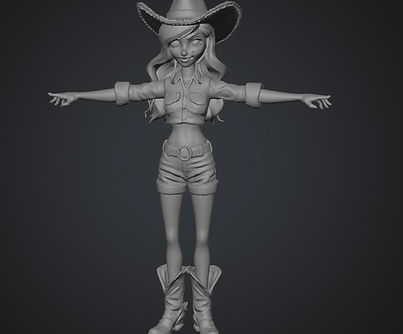
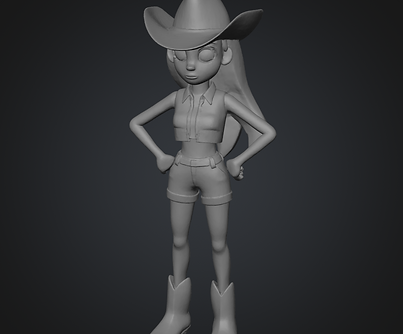
Implementing Changes and Exploring other Programs (Claude, ChatGPT, Nano Banana, Gemini)
.jpeg)

.jpeg)
.jpeg)
Reflections
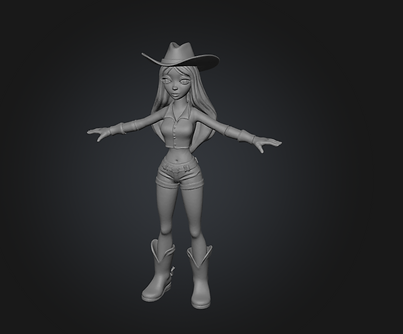
Results are incredibly inconsistent. Even with detailed prompts, the output is oftentimes different enough from the previous attempt that the style does not carry across models. Moving forward, I wanted to see how we could better prompt the style of the models to get a clearer and more intentional result. Our goal is to push the software until it breaks.
Style Interpretation
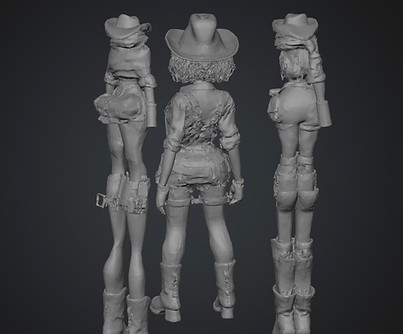
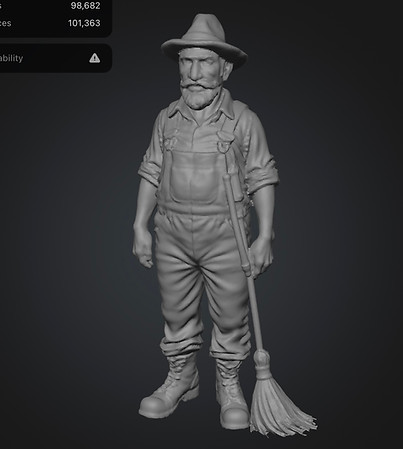
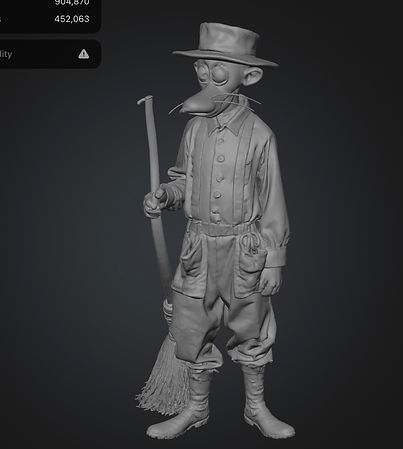.jpeg)
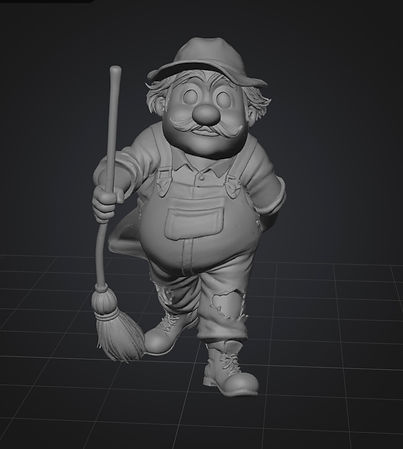
Reflections
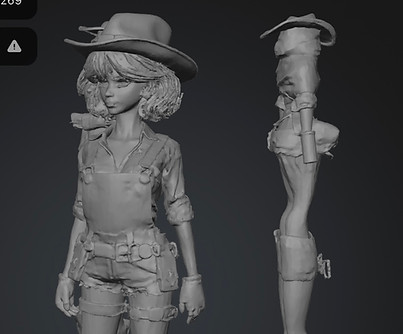
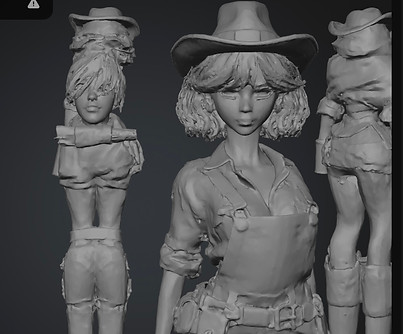
Style cannot be determined strictly based off prompt descriptions. Even when aided by concept art, results vary. Ideally, a proprietary software would be created developed by a collection of concept art. Style relies on thing other than character modeling so we wanted to continue the experiment with motion and texture mapping. This exploration would feed into the teams' later experiments with concept art and prompting.
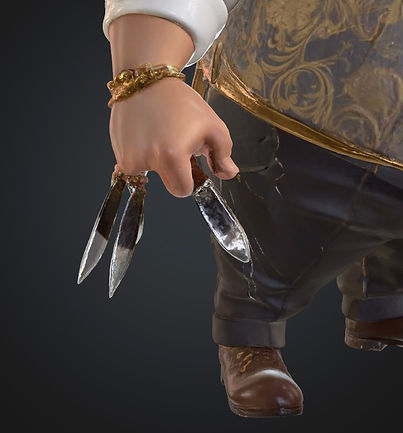
Stylized Texturing Within Meshy.ai
![IMG_3955[1].jpeg](https://static.wixstatic.com/media/0002c8_45aba1c42aac42fd8a4bac3a4f732cc2~mv2.jpeg/v1/crop/x_0,y_0,w_998,h_949/fill/w_403,h_433,al_c,q_80,usm_0.66_1.00_0.01,enc_avif,quality_auto/IMG_3955%5B1%5D.jpeg)
![IMG_3957[1].jpeg](https://static.wixstatic.com/media/0002c8_57fa107960a545e896afa5520b81a507~mv2.jpeg/v1/fill/w_403,h_433,al_c,q_80,usm_0.66_1.00_0.01,enc_avif,quality_auto/IMG_3957%5B1%5D.jpeg)
The Motion Team
Animation and Motion Exploration Using AI Software
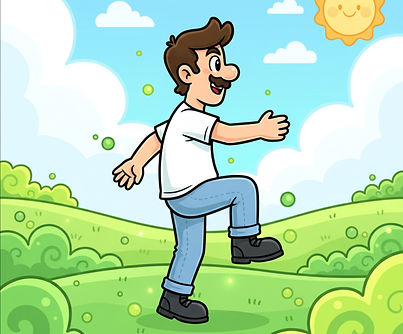

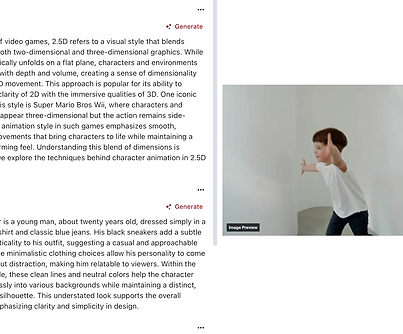
Motion Designer, Move AI, and Motion Capture
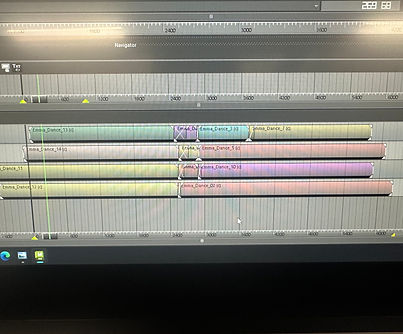
I took a class working with motion capture and had the opportunity to work on a motion capture stage. Here, we recorded my movements and applied it to a couple of the AI generated characters made in our initial experiments. This is where I also experimented with Move AI and motion designer.


Final Conclusions
My hypothesis is that with the help of motion capture and collected animation data we could create a merge between the intended style, and the existing movement to create a style baseline.
For future research I would love to explore how animation curves utilizing exaggerated movement could be compared to more realistic animation curves. From here, we could average the changed that a point on the existing curve would need to move to emulate that type of style. By using a software based around the style of motion designer, we could potentially blend data together to warp said curves.